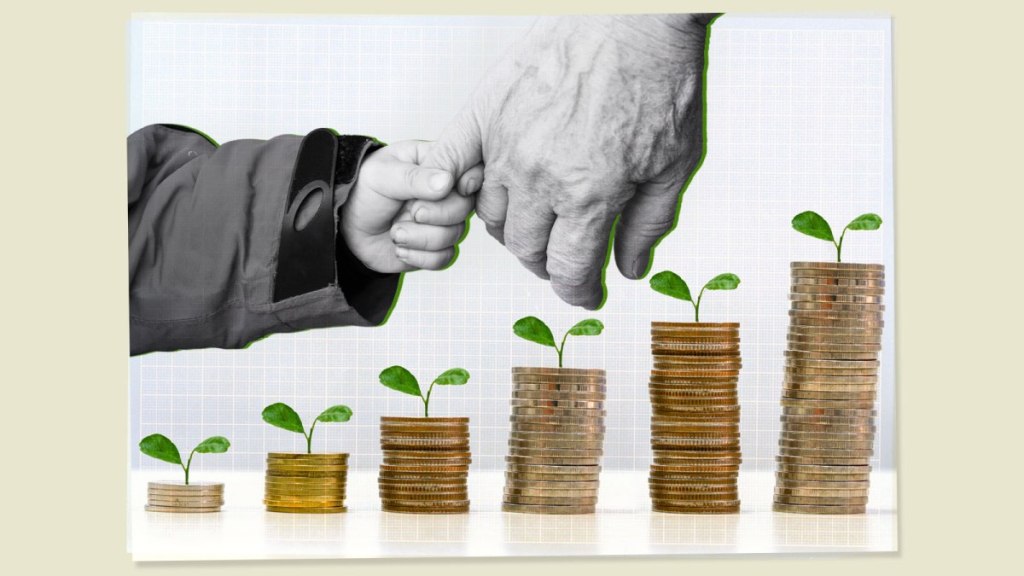
Saving money is one of the most powerful steps toward building real wealth. While “saving” might sound dull or restrictive, it doesn’t have to be—especially when you have the right motivations behind it.
A penny saved is a penny earned.
I first came across this quote by Benjamin Franklin in my early twenties—though his original words were phrased a little differently. At the time, I had just finished grad school and was earning $45,000 a year. A pay raise felt like a distant dream. The only immediate way to see more money in my bank account was simple: save what I earned.
But here’s the thing—our brains don’t naturally want us to save. There’s science behind that. We’re hardwired for comfort and instant gratification, not for delayed rewards. Corporations understand this all too well. They make spending frictionless: one-click checkouts, instant payment systems, and same-day delivery—all designed to help you part with your money effortlessly.
As a twenty-something, of course I loved shopping too. I spent many afternoons walking through Center City Philly, browsing boutique stores on my days off. Luckily, Ben Franklin’s quote kept me in check and helped me build a habit of saving early on. I did plenty of window shopping and stayed up to date on fashion trends, but I learned to pause before buying. Every time I stopped to ask myself, “Do I need this, or do I just want it?”—I was training my financial discipline.
And here’s a small but important tip: if you buy something new and change your mind after a few days, return it. It might sound obvious, but you’d be surprised how many people let new purchases sit unused, tags still on, until it’s too late. Taking advantage of return policies isn’t just about getting your money back—it’s about respecting the value of your hard-earned cash.
As James Clear once said in his book Atomic Habits, “You should be far more concerned with your current trajectory than with your current results.” That mindset kept me going. Even when my savings seemed small, I knew I was moving in the right direction.
More money saved = more can be invested.
Albert Einstein once said, “compound interest is the eighth wonder of the world”. He wasn’t exaggerating. If you save $500 a month, that adds up to $6,000 a year—or $180,000 over 30 years.
But here’s where it gets exciting: if you take that same $500 each month and invest it in a mutual fund averaging a 10% annual return, after 30 years you’d have $986,964—almost a million dollars! That’s the magic of compounding.
Understanding how money saved and invested can snowball over time is one of my biggest motivations to save. Each dollar set aside isn’t just a dollar—it’s the seed of future growth. Knowing that if I choose not to spend a $20 bill today, it could become $25 just a few years later (at a 10% return, that’s about 2 years and 4 months) keeps me encouraged to save more—and to start now.
Looking back, I’m grateful I learned the value of saving early. In my twenties, it wasn’t always easy to say no to things I wanted in the moment, but those small decisions added up. Each time I chose to save instead of spend, I wasn’t just growing my bank balance—I was shaping my mindset. Over time, saving stopped feeling like a restriction and started feeling like empowerment. It gave me confidence, freedom, and a sense of control over my future. And even now, years later, that same motivation—the one that started with a simple Ben Franklin quote—still reminds me that every dollar I choose to keep is a quiet investment in my future self.
What motivates you to save? Share your thoughts in the comments—I’d love to hear your story.
 Course to Paradise